When facing the realities of our world, the urge to drown in grief or shut down into apathy is becoming more and more common. As we are flooded with information and global predicaments outside of our control, overwhelm can set in, affecting our energy, efficacy, and even our ability to care. But what if facing our grief is actually the pathway to increasing our capacity to stay connected to and work on the things that matter most to us? What tools, practices, or rituals could we use to help us begin to metabolize our grief?
Kinship: exploring human-nature connections.” Guest speakers from around Australia and around the world, will share their insights into how they connect with and celebrate ‘nature’. Human beings are (of course) part of nature, but by reflecting on the cultural, bioregional, linguistic and practical ways that humans engage with, celebrate and care for ‘nature’, we can enrich our understanding of what it means to be part of the Earth community.
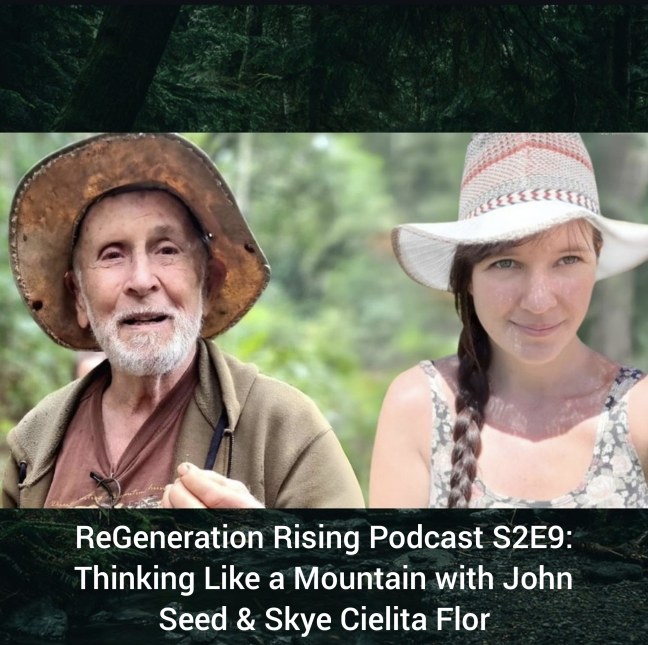
ReGeneration Rising is a specially-commissioned RSA Oceania podcast exploring how regenerative approaches can help us collectively re-design our communities, cities, and economies, and create a thriving home for all on our planet. In this episode, Daniel and Philipa discuss the practices that can help us reconnect with the living world with renowned author and activist, John Seed, and deep ecology practitioner, Skye
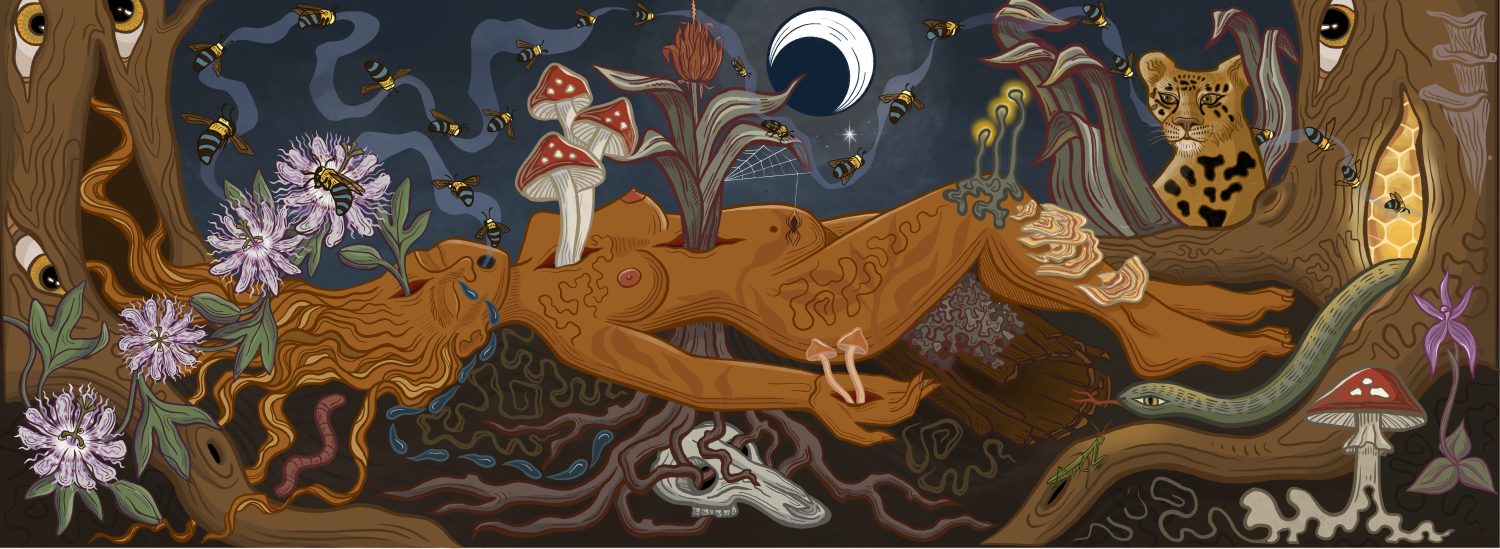
In the face of relentless ecological crisis and existential threat, there pervades a profound sense of shared grief. It is a grief born out of witnessing our forests burn, our ice melt, our sacred sites desecrated, our fellow species perish in exponential curves of diminishment. It is a collective fracture in the human mindscape, an anguish echoed in the rising inequality, rampant pollution and existential uncertainty of this moment.
Yet, this grief is not merely a personal emotional response. It speaks to our deeply entrenched ties to the world, an intimate sense of belonging that anchors us within this interwoven matrix of life.
Growing the capacity to be with and metabolise our sorrows, in community, is how we come back to life, and remember how to tend to it again.
"Stephanie Hazel interviews Folk Herbalist, Deep Ecologist and traditionally trained Shipibo Curandera Skye Cielita Flor. In this episode, we explore questions such as:
What does it mean to take a plant out of context?
What do we leave behind when we extract a single active chemical from a medicinal plant?
What do we lose when we take a single aspect of Shipibo culture, like ayahuasca ceremonies, but leave all of the cultural nest of animistic relationships with plants and land behind?
Feeling to add my two cents about some of the big shifts currently unfolding in the global psychedelic movement. Particularly the legislation of certain substances for use within the context of Psychedelic Assisted Therapy. I'll say off the bat, that I'm ultimately for full legislation within all contexts and generally prefer an atmosphere of trusting adults to make their own decisions about what they do and don't ingest for whatever reasons they choose. A healthy ecology has diversity, and a diversity of approaches feels more necessary now than ever in my opinion. However, with the exception of a handful of countries like Peru, that is not our reality at this moment. Instead, we are seeing mostly only psychiatrists and in some places, psychotherapists being given the green light to administer these medicines and only within the therapeutic context.
Having a background as a traditionally trained Ayahuasca ceremonialist within the Shipibo tradition, part of me has felt quite ambivalent about this sudden enthusiasm around psychedelic plant medicines and the ways they are now being embraced by mainstream psychology (I'm speaking specifically to plant medicines, not MDMA, Ketamine etc. which I think is fantastic!). Until very recently, these institutions have demonised and pathologized these medicines and the altered states they engender (of course there have always been certain individuals who are/were exceptions, Stan Grof being one of the many who comes to mind), so it seems a little bizarre to me that they are now the only legal keepers of these medicines.
"Because they did not know God, therefore, in their error, they worshipped every creature as divine, namely the Sun, the Moon and stars, thunder, birds, even four-legged animals, even the toad. They also had forests, fields and bodies of water, which they held so sacred that they neither chopped wood nor dared to cultivate fields or fish in them."
~ Peter of Dusburg, Chronicon Terrae Prussiae, iii, 5, 53.
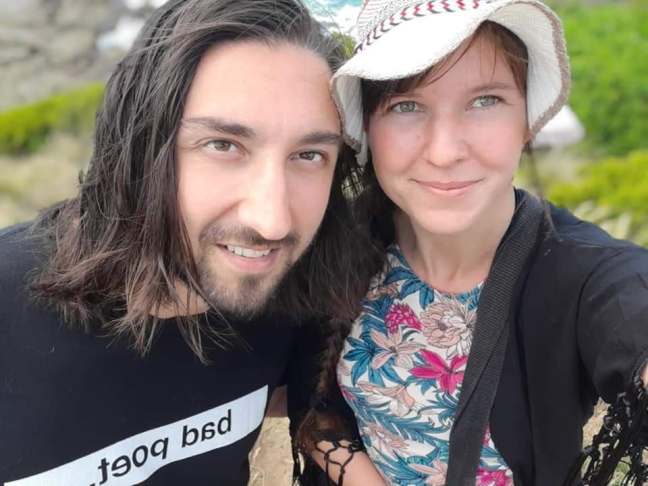
In this weeks podcast episode we have Skye and Miraz joining us.
We go deep into a number of themes exploring the culture of separation that plagues the collective sphere we all find ourselves in, the re-orientation of our perception to animistic worldviews, their many years in the amazon jungle studying amazonian shamanism, the frameworks that the indigneous shipibo people passed onto them to assist in the relating with a living breathing jungle, and extrapolating from that, a living breathing planet, and how this path interrelates into the work that they’re currently doing, known as deep ecology, aka, the work that reconnects.




 Deep Earth Dreaming